Baglamukhi, the eighth Mahavidya, prevented the demon Madan from using his Vak Siddhi by stopping him from speaking. However, she spared him when he begged for his life, and that is why he appears with Maa Baglamukhi.
Goddess Bhuvaneshwari
The fourth Mahavidya; Goddess Bhuvaneshwari is the ruler and the keeper of the universe. She is power and creation; is the Goddess for family happiness, glory, achievement, fame, name, fearlessness, and oblation of wishes.
Goddess Chinnamasta Devi or Prachanda Chandika, the deity of great power. Maa Chinnamastika shows the importance of giving oneself fully to the other.She represents the paradox of life and death, creation and destruction. The iconography of the Goddess – holding a sword and her own severed head, drinking the self-effused blood from the head along with the two attendants – Dakini and Varnini – represents the sacrifice of divinity and of life.
Maa Dhumavati
The goddess Dhumavati is the state that exists before creation and after dissolution, she is associated with the tamas guna, and both the positive and negative qualities of the existence. She is considered to bestow spiritual powers, wisdom, desires and moksha; she grants wishes and protects from obstacles, she is worshipped by widows, monks and Tantrikas.
Goddess Kamala Devi
Goddess of Wealth Goddess Kamala is a symbol of prosperity, wealth, purity and abundance. She is one of the ten Mahavidyas and is seated on a lotus flower with four elephants showering water on her. Shree Kamala Devi Yantra is said to bestow material wealth, prosperity and abundance.
Goddess Kali
Goddess Kali, which is also called as Kalika, is the most fearful form of Shakti Devi who destroys all the evil and negative energies, and also protects his followers. Kalika Yantra Sadhana for Protection, Longevity, Spiritual Power, and Moksha.
Goddess Matangi
Shree Matangi Yantra calls Goddess Matangi’s blessings for wisdom and intelligence, artistic skills and brilliance, and abundant prosperity. Devotion to this Yantra ensures your success and success in the workplace and life, as well as all good communication skills.
Goddess Taradevi
Goddess Tara grants us safety, guidance and compassion to remove any obstacles in the way. She is able to free us from suffering, despair and problems by creating an atmosphere of peace, strength, spiritual progress and moksha (liberation).
Goddess Tripur Bhairavi
As per Narada Pancharatra, Goddess Tripura Bhairavi appeared from Goddess Mahakali in the form of a frightening and blazing Goddess after Maharishi Narada suggested her marriage with Lord Shiva. Tripura Bhairavi is one of the ten Mahavidyas, a goddess representing power, fury and the living force of the divine mother goddess.
Mata Shodashi
Mata Shodashi or Goddess Tripura Sundari (another form of Lalita) and Kameshwari is the third Mahavidya and is said to represent the perfect beauty, knowledge, Goddess beauty and grace. She is the Goddess who is beyond the three gunas and has the mystery of the energies.
The Significance of Dasha Mahavidya Yantra
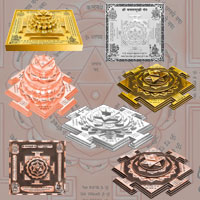
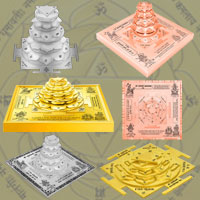
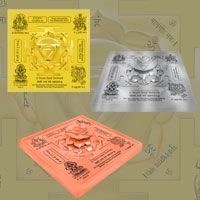
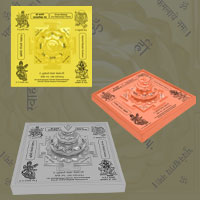
There are ten divine forms of Goddess Adi Shakti which are known as Dasha Mahavidyas. These are considered to be various forms of spiritual wisdom, transformation, protection, prosperity and cosmic consciousness. Each of these Mahavidyas has its own spiritual significance and they are worshipped through sacred rites, mantras and yantras.
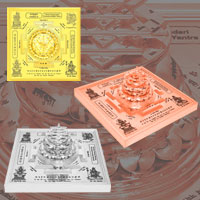
The Shree Baglamukhi Yantra stands for protection and overcoming of obstacles.
The Shree Bhuvaneshwari Yantra stands for cosmic consciousness and harmony.
The Shree Chhinnamasta Yantra stands for courage and transformation
Shree Dhumavati Yantra stands for wisdom, detachment and strength.
The Shree Kamala Devi Yantra stands for wealth and prosperity
Shree Mahakali Yantra stands for divine protection and destruction of ignorance.
Shree Matangi Yantra is the symbol of knowledge, wisdom, creativity, music, and proficiency in language and arts.
The Shree Tara Devi Yantra stands for wisdom and guidance and compassion
Shree Tripura Bhairavi Yantra stands for discipline and determination.
The Shree Tripura Sundari Yantra stands for beauty, harmony and bliss.
Importance of 3D Dasha Mahavidya Yantra
These yantras are mystical carrying divine energy, which are generally used as a focus in prayer, meditation and devotion. These yantras are being used since ancient time to bless person’s mind with concentration, disciplinability, focus, awareness and authentic devotion for various divine energies they depict. Practice an oblation with intense devotion and faith; you will certainly receive blessings of divine energies.
Benefits of Worshiping Dasha Mahavidya Yantra
The Bagalamukhi and Mahakali Yantras provides you with protection, power, and success against the storms of life.
Kamala Devi Yantra stands for wealth, prosperity and abundance.
The Tara Devi and the Bhuvaneshwari Yantras are representative of knowledge, consciousness and spiritual wisdom.
Chhinnamasta and Tripura Bhairavi Yantras depict changes and self-management.
Dhumavati Yantra represents the subject for meditation, patience, and wisdom.
Tripura Sundari Yantra is associated with beauty, balance, happiness and spiritual wisdom.
Shaligram Shala Is a Trusted Supplier of Yantras
Shaligram Shala (shaligram.com) is also able to provide traditional yantras made from Panchdhatu, Ashtadhatu, silver, copper and gold as availability allows.
Why Buy Dasha Mahavidya Yantra from Shaligram Shala?
The devotee has many factors to take into consideration while purchasing the yantra including the material, craftsmanship, design, and compatibility of the yantra for their form of worship.
Placement of Dasha Mahavidya Yantra
Place the yantra in a pure and peaceful place which may be a home temple, prayer room, meditation room, or an office worship area. Most devotees usually prefer the yantra placed facing the east, although this may depend on the deity and spiritual tradition.
Ingredients Required for Abhishek Procedure
Gangajal or smooth water
Milk, curd, ghee, honey, relying on the material of yantra
Coconut water, anyplace applicable
A smooth and soft piece of fabric
Abhishek Procedure of Yantra
1. 1. Place the yantra on a easy plate or pedestal.
2. Clean the yantra with clean water if the material allows.
3. Pour the relevant drinks for abhishek.
4. Wipe out the remnants and dry the yantra.
5. Place the yantra on the pedestal once more and pray to the relevant deity.
Ingredients Required for Worship Procedure
Gangajal or clean water
A cleaned cloth and sandalwood paste if required
Flowers and traditional offerings
Dhoop and agarbatti
Sweets, fruits, and other suitable vegetarian offerings
Worship Procedure of Dasha Mahavidya Yantra
1. Clean the worship area and then keep the yantra on the right pedestal.
2. Find a quiet place to sit, and then sit in the facing position that your tradition recommends.
3. Worship the yantra with water or clean the yantra according to the material used.
4. If so, apply tilak, offer flowers and use incense.
5. Recite the goddess’s mantra as it is taught in your tradition.
6. Shower him or her with sweets or fruits and engage in worshipful meditation.
7. Completely with a productive petition for instinct, shielding, wealth, balance, and otherworldliness.
 Google has chosen Shaligram Shala ( shaligram.com) as the world's first 5 star
 rated Rudraksha supplying Company