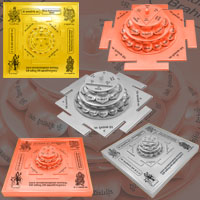
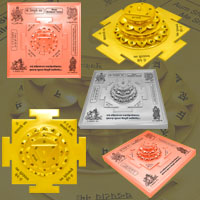
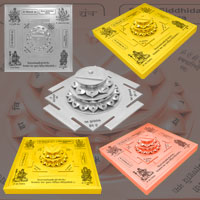
The goddess Brahmacharini is the second form of Maa Durga and symbolizes devotion, penance, patience and determination. She did penance with great zeal to get Lord Shiva as her husband. Shree Brahmacharini Yantra is usually worshipped for spiritual progress, self-control, inner strength and dedication to oneself.
Shree Chandraghanta Yantra
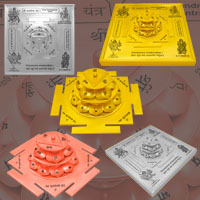
The goddess Chandraghanta is the third form of Maa Durga and symbolizes bravery and fearlessness. The image of Goddess Chandraghanta is that of a goddess with a half-moon shaped bell on her forehead. Shree Chandraghanta Yantra symbolizes courage, peace of mind, confidence and protection.
The goddess Kaalratri is the seventh form of Maa Durga and destroys darkness, fear and negative forces in life. She is believed to be a powerful manifestation of Shakti who protects the devotees from all their troubles and miseries. Shree Kaalratri Yantra is traditionally worshipped for protection, fearlessness, spiritual power and overcoming obstacles.
Shree Katyayani Yantra
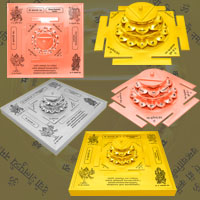
Goddess Katyayani is one of the six forms of Goddess Durga and is considered a fierce warrior goddess. In Hindu mythology, it is believed that she was born to kill the evil demon Mahishasura. Shree Katyayani Yantra is known to represent courage, determination, positivity, and the elimination of obstacles. People also worship the goddess to seek blessings related to marriage and good relationships.
Shree Kushmanda Yantra
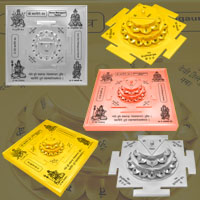
Goddess Kushmanda is the fourth incarnation of Maa Durga and is considered to be the creator of the universe with her divine smile. She represents creation, power, energy, and abundance. Shree Kushmanda Yantra is worshipped for positive energy, prosperity, happiness, strength, and spiritual upliftment.
Shree Mahagauri Yantra
Goddess Mahagauri is the eighth form of Maa Durga and is known to represent purity, peace, kindness, and cleansing. She represents calmness and forgiveness. Shree Mahagauri Yantra is usually worshipped to attain peace of mind, family harmony, spiritual cleansing, and balance in life.
.
Shree Shailputri Yantra
Goddess Shailputri is the first incarnation of Goddess Durga and is referred to as daughter of King of the Mountains, Himalaya. She symbolizes strength, stability, devotion and connection of nature and divine power. Shree Shailputri Yantra is usually linked with grounding, bravery, spiritual beginning and inner balance.
Shree Siddhidatri Yantra
Goddess Siddhidatri is the ninth incarnation of Maa Durga and is considered the bestower of all siddhis, spiritual attainments. She is the symbol of divine wisdom, perfection, spiritual enlightenment and fulfillment.
The Significance of Navdurga Yantra
Navdurga refers to the nine divine sorts of Maa Durga worshipped in the course of Navratri. Each form represents a wonderful element of divine female energy, together with devotion, courage, creativity, safety, purity and non secular fulfilment. Navdurga Yantras are used as sacred factors for prayer, meditation and devotional practices.
Shree Shailputri Yantra represents strength, stability and new beginnings.
Shree Brahmacharini Yantra represents devotion, persistence and self-control.
Shree Chandraghanta Yantra represents braveness, peace and protection.
Shree Kushmanda Yantra represents creation, energy and abundance.
Shree Katyayani Yantra represents bravery, determination and transformation.
Shree Kaalratri Yantra represents safety and the elimination of fear.
Shree Mahagauri Yantra represents purity, peace and concord.
Shree Siddhidatri Yantra represents spiritual understanding and accomplishment.
Importance of Navdurga Yantra
The Navdurga yantras are conventionally practiced in daily worship, Navratri puja, and other religious rituals performed in praise of Maa Durga. The practitioners meditate on the yantra for cultivating concentration, faith, discipline and a closer connection with the divine form of the goddess. Devotional practice in an honest and sincere manner is supposed to bring about divine blessings as well as inspire good spiritual practices.
Benefits of Worshipping Navdurga Yantra
According to Hindu devotional traditions, worshipping the one-of-a-kind varieties of Navdurga is related to the subsequent non secular benefits:
Shailputri Yantra is related to balance, energy and confidence.
Brahmacharini Yantra represents persistence, willpower and non-secular subject.
Chandraghanta Yantra symbolizes courage, fearlessness and safety.
Kushmanda Yantra represents power, positivity and prosperity.
Katyayani Yantra is associated with dedication, courage and relationship blessings.
Kaalratri Yantra symbolizes safety from negativity and overcoming worry.
Mahagauri Yantra represents peace, purity and circle of relatives concord.
Siddhidatri Yantra is associated with knowledge, non secular progress and fulfilment.
These blessings mirror traditional non secular ideals and aren’t assured fabric or private effects.
Shaligram Shala Is a Trusted Supplier of Yantras
Shaligram Shala has a wide variety of traditional spiritual items and Yantras that can be used by devotees looking for holy items for their temple at home or to perform puja. Navdurga Yantras may be available in various metals, like copper, silver, Panchdhatu, etc. depending upon the individual item itself.
Why Should You Buy Navdurga Yantra from Shaligram Shala?
While choosing Navdurga Yantra, the devotee should keep in mind the various factors such as material, design, quality, and its usage for puja or worship. Shaligram Shala is known to offer spiritual items to its devotees.
Placement of Navdurga Yantra
Place the Navdurga Yantra at a clean and respected place such as a household temple, puja room, or meditation room. There is also an option of placing the yantra facing eastwards, but this placement may differ according to the individual family traditions and religious rituals.
Ingredients Required for Abhishek Procedure
Some of the materials required for abhishek include the following, although the type of liquid will depend on the yantra material:
Gangajal or water
Milk, curd, ghee, and honey depending on the yantra material
Coconut water depending on the yantra material
A clean and soft cloth
A clean plate or pedestal
Note: Liquids should not be poured directly to yantras that can easily be stained or get damaged. It is always important to read and follow the manufacturer’s care guidelines.
Abhishek Procedure of Navdurga Yantra
1. Clean the worship area and prepare a easy plate or pedestal.
2. Place the yantra cautiously on the pedestal.
3. If the cloth lets in, gently smooth the yantra with easy water or the encouraged liquid.
4. Perform the traditional abhishek the usage of appropriate offerings, if suitable.
5. Wipe the yantra gently with a tender fabric and permit it to dry completely.
6. Place it again at the pedestal and offer prayers to the applicable shape of Maa Durga.
Ingredients Required for Worship Procedure
Gangajal or smooth water
A smooth fabric
Flowers and conventional offerings
Sandalwood paste or tilak, if suitable
Dhoop and agarbatti
Fruits, candies and different suitable vegetarian services
A diya and ghee or oil, as preferred for your way of life
Worship Procedure of Navdurga Yantra
1. Clean the puja place and region the yantra on a easy pedestal.
2. Sit comfortably in a quiet area and prepare for worship.
3. Offer easy water or carry out gentle cleansing in step with the yantra’s material and care commands.
4. Apply tilak, if suitable, and provide flora, incense and a diya.
5. Remember the relevant form of Maa Durga and recite her conventional mantra consistent with your circle of relatives or non secular culture.
6. Offer culmination, sweets or different appropriate vegetarian services.
7. Meditate with religion and devotion, in search of divine guidance, braveness, peace and non secular growth.
Regular worship of Navdurga Yantra may be incorporated into daily puja or Navratri observances according to one’s religious customs.
Conclusion
These are symbolic representations of Maa Durga and include her virtues of wisdom, devotion, strength, purity and courage, and much more. Worshiping Navdurga yantras is a form of bhakti or devotion in which we pray to the mother goddess and invoke her powers through meditation. To practice this, select an appropriate Yantra and worship it wholeheartedly.
 Google has chosen Shaligram Shala ( shaligram.com) as the world's first 5 star
 rated Rudraksha supplying Company